
Ages 2–6
SensoryArt
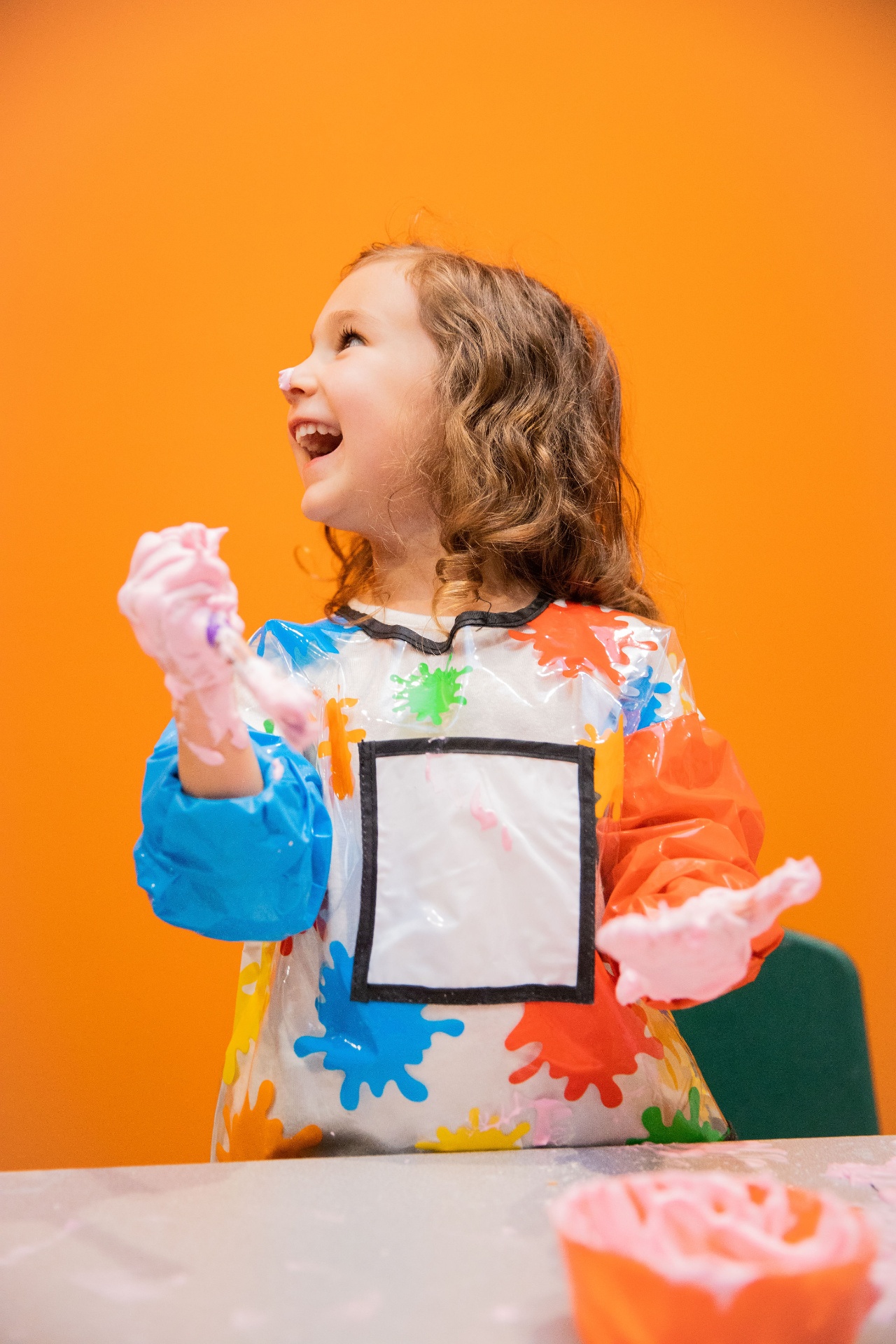
Sensory Art was developed by our pediatric occupational therapists as a sensory experience first, and an art class second. Each week children explore one of the seven elements of art, see famous artwork that illustrates it, and dive into a variety of sensory-based projects. It's not about being an artist — it's about exploring the world through artistic experience.
What is Sensory Art?
More than painting and drawing
Sensory Art engages all the senses in the creative process. From squishy textures to vibrant colors, our class incorporates a variety of materials and activities that stimulate sight, touch, smell, and even sound — encouraging children to explore creativity while supporting sensory integration and fine motor development.
Designed by occupational therapists
Our pediatric OTs built the curriculum so each project intentionally targets specific developmental skills. Tactile play builds the hand strength and sensory comfort kids need for handwriting, dressing, eating new foods, and tolerating life's everyday textures.
The seven elements of art
Each week focuses on one element — line, shape, color, value, form, space, or texture. Children see how master artists used that element, then explore it themselves through open-ended sensory projects. Process over product, every time.
Squishing, spreading, scooping, and painting feel like pure fun — but every material is chosen to build the hand strength, sensory tolerance, and focus children carry into eating, dressing, writing, and learning.
Engaging every sense
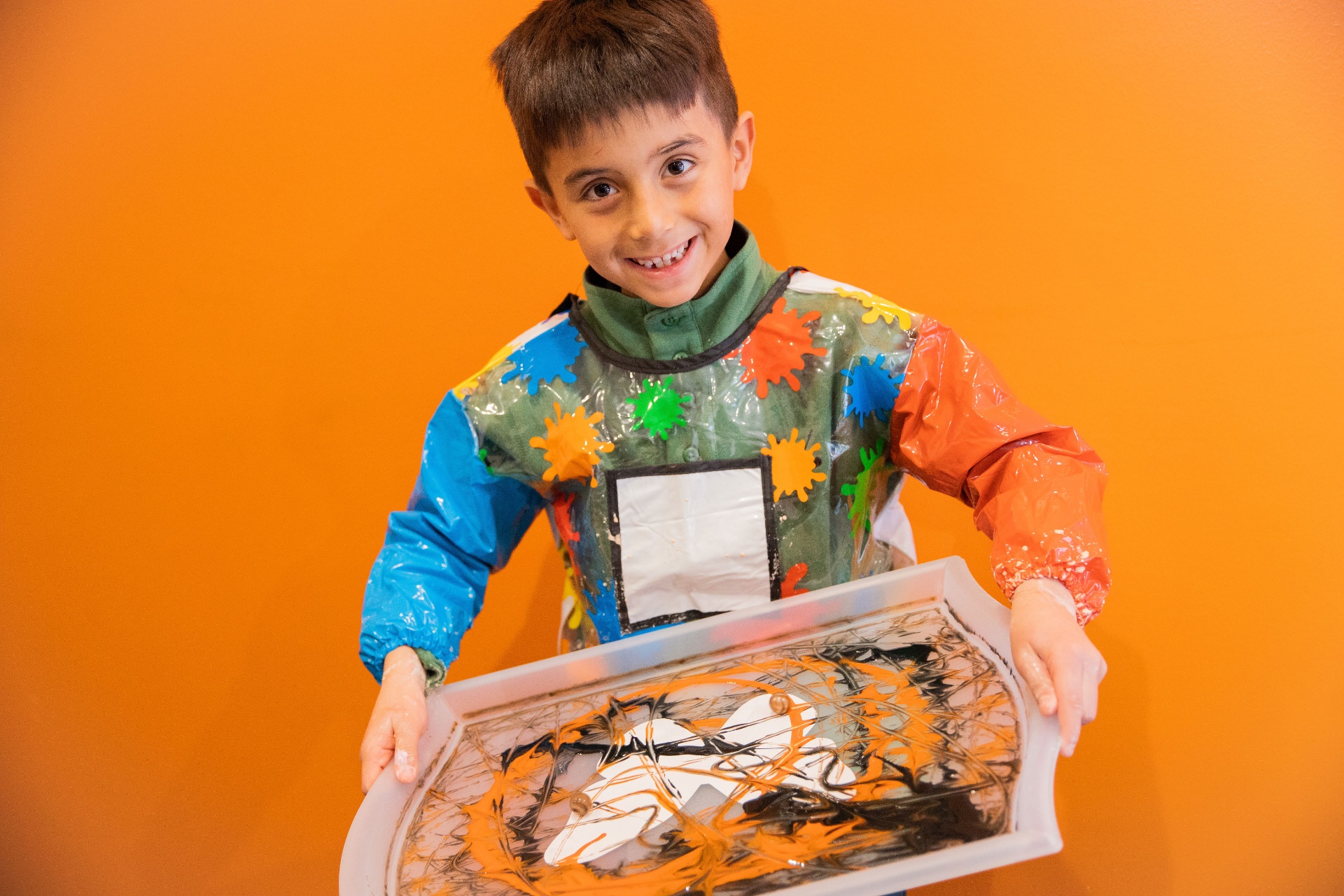
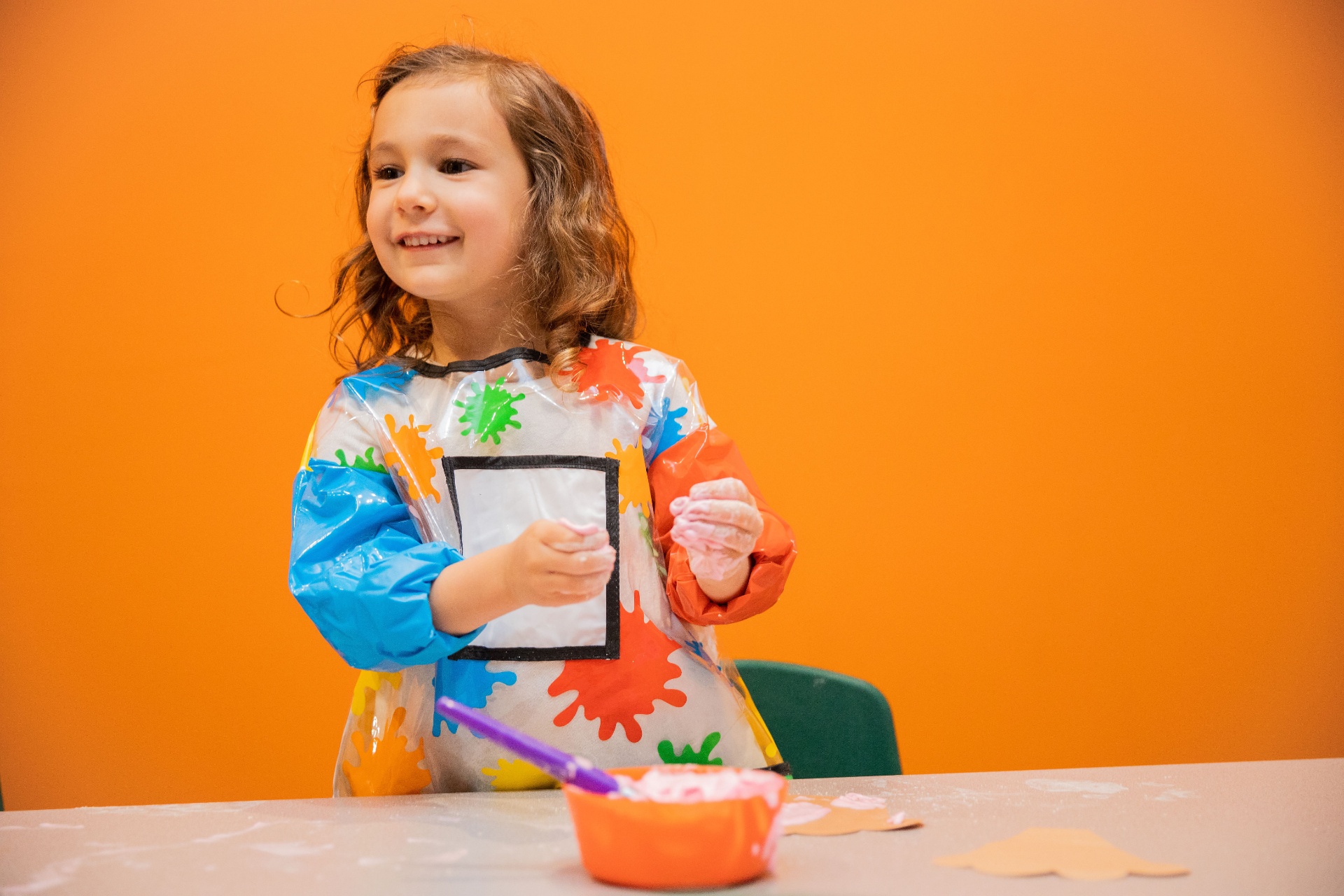
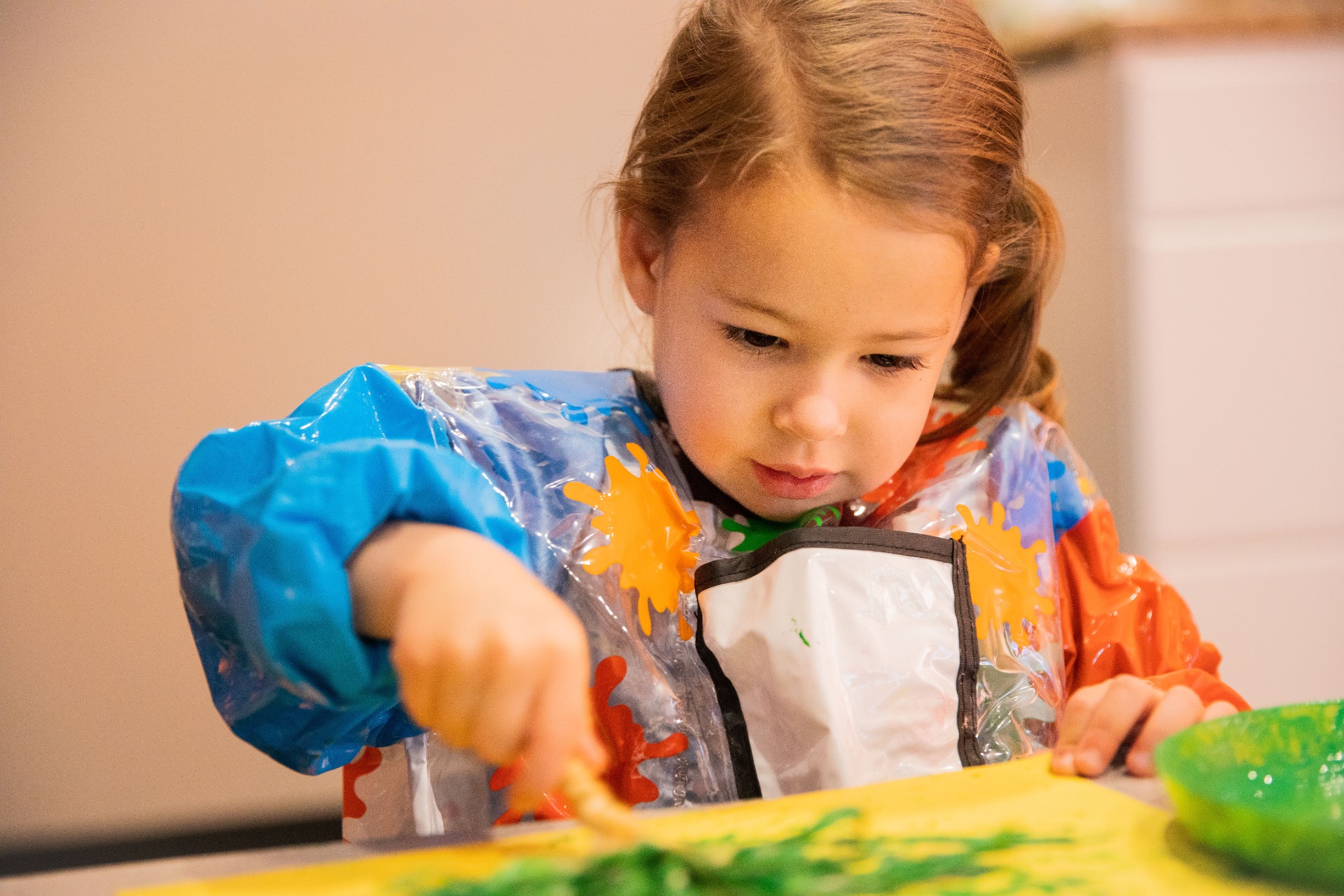
Sensory Art is more than just painting and drawing — it's about engaging all the senses in the creative process. From squishy textures to vibrant colors, our class incorporates materials and activities that stimulate sight, touch, smell, and even sound, encouraging creativity while supporting sensory integration and fine motor development.
Sight
Color mixing, contrast, light tables, and reflective materials build visual discrimination and tracking.
Touch
Slime, dough, paint, sand, and textured papers expand tactile tolerance and fine motor strength.
Smell
Scented dough, citrus, herbs, and spices add a calming or alerting sensory layer to each project.
Sound
Crinkly paper, popping bubbles, scratching pastels — quiet sounds that focus attention on the moment.
The seven elements of art
Each week, children explore one of the seven elements of art. They see famous artwork that illustrates that element, then dive into a variety of sensory-based projects to experience it with their own hands. Elements may repeat throughout the semester so kids can revisit them with new materials and deeper exploration. It's not about being an artist — it's about exploring the world through artistic experience.
- 01
Line
Straight, curved, zig-zag — the building block of every drawing.
See it in Keith Haring's bold outlines
- 02
Shape
Circles, squares, organic blobs — flat 2D forms we can see and trace.
See it in Henri Matisse's paper cut-outs
- 03
Color
Mixing, matching, warm and cool — the language of feeling.
See it in Wassily Kandinsky's color studies
- 04
Value
Light to dark — how a single color can whisper or shout.
See it in Georgia O'Keeffe's flowers
- 05
Form
3D shapes we can hold — clay, dough, sculpture, blocks.
See it in Louise Bourgeois's spiders
- 06
Space
Near and far, full and empty — where things sit on the page.
See it in Yayoi Kusama's infinity rooms
- 07
Texture
Bumpy, smooth, sticky, fluffy — what art feels like, not just looks like.
See it in Vincent van Gogh's thick brushstrokes
Why occupational therapists love this class
Sensory Art was developed by our pediatric occupational therapists as a sensory experience first, and an art class second. Every project is engineered to build skills children carry into eating, dressing, writing, and learning.
Fine motor strength
Pinching, squeezing, and gripping tools builds the small hand muscles needed for handwriting and self-care.
Sensory integration
Gentle, repeated exposure to new textures helps the nervous system organize and respond to everyday input.
Creative confidence
Open-ended projects mean every child's work is 'right' — building self-trust and pride in their ideas.
Co-regulation
Slow, repetitive sensory work soothes the nervous system — a perfect bridge between busy and calm.
Skills we work on
- Fine motor strength
- Pincer grasp & tool use
- Sensory tolerance & integration
- Bilateral coordination
- Focus & attention
- Following multi-step directions
- Creative confidence
- Visual discrimination
Who it helps
- Toddlers and preschoolers building fine motor skills
- Kids working on sensory tolerance with messy textures
- Children who benefit from process-based creative play
- Families looking for a meaningful weekly outing
What a session looks like
- 1
Hello song
Every class starts with the same Hello Song so kids know what to expect and feel safe.
- 2
Meet the element
We introduce the week's element of art and look at a famous artwork that shows it off.
- 3
Sensory exploration
Open-ended sensory invitation — slime, dough, rice, water beads — to warm up hands and senses.
- 4
Multiple themed projects
Several sensory-based art projects built around the week's element, with all materials provided. Kids take their creations home.
- 5
Goodbye song & wash up
We close with the Goodbye Song and handle cleanup. You leave with the art and a happy kid.
Frequently asked
What if my child hates messy play?+
Many do at first. The class is designed to gently expand sensory tolerance — kids can watch, use a tool instead of fingers, or jump right in. There's no pressure, and our therapists know how to invite participation at every comfort level.
Do I need to be artistic to help my child?+
Not at all. This class is about the experience, not the outcome. There's no 'right' way to make the project — your child's exploration is the whole point.
What are the seven elements of art?+
Line, shape, color, value, form, space, and texture. They're the building blocks artists use to create — and exploring them gives children a vocabulary for the visual world.
How do I sign up?+
Browse the schedule and reserve your spot through your location's booking page.
Milestone tips, classes & news — straight to your inbox.
Add your number for occasional text reminders about open play, camps, and parents night out. Unsubscribe anytime.